
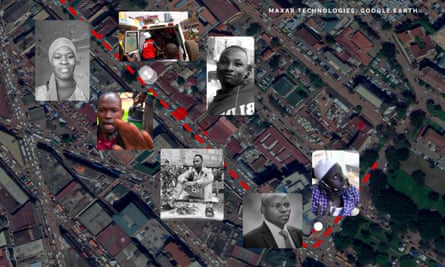
Today November 18, marks five years after security forces opened fire during protests in Kampala targeting the supporters of National Unity Platform (NUP) who were protesting his arrest for allegedly violating COVID regulations.
Till today , survivors of the mass shootings and families of the dead are left with grief, unanswered questions and a demand for accountability.
On the morning of November 18, 2021, Kampala woke to the familiar rush of taxis, boda bodas and people heading to work. By afternoon, streets in the city centre had become scenes of panic.
Gunfire rang out as security forces moved to disperse protests that had begun after the arrest of National Unity Platform (NUP) presidential candidate Robert Kyagulanyi, popularly known as Bobi Wine. People ran for cover. Some fell in the road. Others were caught in the confusion as police and soldiers confronted demonstrators.
For families whose relatives did not return home, the date remains more than a line in the news archive. It is the day a routine journey, a phone call or a promise to come back became a last memory.
The protests spread beyond Kampala to other parts of the country. Over two days, security forces used live ammunition and other force to break up demonstrations.
The government said the unrest involved violence and destruction of property and defended the security response as necessary to restore order.
Human rights groups and witnesses, however, reported that many people killed or injured were unarmed civilians including bystanders and others inside their shops.
The precise circumstances of individual deaths have not always been publicly established. That uncertainty has compounded the pain for families who say they still lack clear explanations about how their relatives died who was responsible and whether anyone will be held accountable.
The demonstrations followed Kyagulanyi’s arrest in Luuka District, where he was campaigning ahead of the 2021 general election. Police said he had violated Covid-19 restrictions on public gatherings. NUP rejected the arrest and called for his release.
As news of the detention spread, crowds gathered in Kampala and other towns. The protests quickly became confrontations between demonstrators and security forces.
Roads were blocked, businesses closed and traffic came to a standstill. Videos and photographs circulated showing people fleeing, injured civilians and bodies on the ground.
Authorities later announced that dozens of people had died during the unrest. The toll varied across official statements and independent accounts while families and rights advocates called for a full accounting of the victims.
The deaths were among the most serious episodes of election-related violence in Uganda in recent years.
The government condemned the violence and said some protesters had attacked people and property. But the scale and manner of the security response raised questions about the use of force the protection of bystanders and the ability of independent investigators to establish what happened.
For relatives of those killed, grief has been joined by practical struggles, funeral expenses, lost income and the absence of a family member who may have been a parent, child or principal provider.
Some families have spoken publicly about their loss, others have mourned privately wary of drawing attention to themselves.
Survivors have also described lasting physical and emotional consequences. A gunshot wound may heal slowly, or leave someone unable to work. The memory of running through a crowd as shots were fired can remain long after the streets have returned to normal.
The accounts are difficult to verify in every case. But their common thread is clear: people who were present that day continue to seek answers and support.
The shootings renewed longstanding concerns about policing, protest and accountability in Uganda.
The Constitution protects freedoms of expression and assembly while also allowing lawful limits. Rights advocates say those limits must not become a licence for excessive force.
International human rights standards require law-enforcement officers to use force only when necessary and proportionate and to prioritise the protection of life.
When deaths occur during an operation credible and independent investigations are essential not only to establish individual responsibility but also to identify failures in planning, command and oversight.
That process has been difficult for families and advocates to track. Public information about investigations, prosecutions or compensation has not provided the comprehensive account many victims’ relatives say they need. Without transparent findings, competing versions of events persist and public confidence suffers.
The passage of time does not remove that obligation. A credible accounting would identify those killed and injured, establish the circumstances of each death, preserve evidence and ensure that any person found responsible is dealt with under the law. It would also address the needs of survivors and families.
Five years on, November 18 remains a painful marker in Uganda’s recent political history. It is remembered by NUP supporters as a day of mourning and by many Ugandans as a warning about the cost of political confrontation. For families, remembrance is inseparable from the question of justice.
The city has moved on in visible ways. Traffic has returned to the roads, shops have reopened, new political disputes have taken the place of old ones. But for those who lost someone, the absence is not temporary.
Commemoration can honour the dead. It cannot substitute for answers. The families still waiting to know how their loved ones died are asking for more than sympathy. They want the truth, recognition of their loss and accountability where wrongdoing is established.
Until those questions are addressed, November 18 will remain not only a date to remember but an unfinished chapter in the story of Kampala’s streets and of the people who never made it home.
Related posts:
- Increase funding to eradicate the ADF threats
- GOONS IN YELLOW T-SHIRTS: The Dangerous Gamble of State-Sponsored Gangs For 2026 Elections
- Op-ed: Breathing New Life Into Government Communication
- Op-ed: Bank of Uganda Should Consider Redesigning Currency to Defeat the Hidden Cash Economy by the Corrupt
