
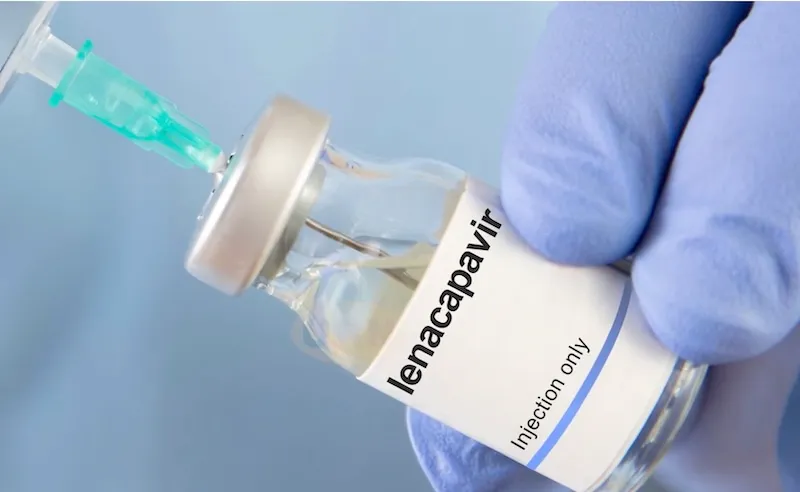
Uganda’s Ministry of Health has said demand for Lenacapavir, a newly introduced HIV prevention injection administered twice a year, has exceeded available supplies as growing numbers of people seek access to the medication.
Health officials say interest in the drug has been particularly high among men, despite clinical trials in Uganda having primarily focused on young women.
When the programme was launched in April, the ministry announced that 19,200 doses had been secured for distribution to 103 health facilities across the country. However, plans to expand access have been affected by supply challenges after Gilead, the manufacturer of the drug, reported shortages of the oral tablets required as an initial loading dose.
The ministry said a second shipment that had been expected this month has been delayed and is now projected to arrive in October.
Speaking at a meeting of HIV advocates, researchers and policymakers, the Ministry of Health’s Pre-Exposure Prophylaxis (PrEP) coordinator, Dr Herbert Kadama, said officials had not anticipated the level of public interest in the injection.
“We have been surprised by the high number of men seeking the injection,” Dr Kadama said.
He explained that Lenacapavir is currently reserved for individuals considered to be at very high risk of contracting HIV and that access is only granted after a detailed screening process.
Despite the limited availability, health facilities continue to receive inquiries from people seeking information about where and how they can access the drug, he added.
The Ugandan studies that demonstrated the effectiveness of Lenacapavir as an HIV prevention tool were conducted among young women at research sites in Kalangala, Masaka and Mityana districts.
Meanwhile, researchers involved in the trials have sought to reassure former participants about continued access to the medication.
Dr Flavia Matovu Kiweewa, a senior scientist at the Makerere University-Johns Hopkins University (MUJHU) Research Collaboration and lead investigator on the Ugandan study, said women who took part in the trials would continue receiving the drug.
“About 95 per cent of former study participants are currently receiving the injection and will continue to do so,” she said.
Dr Kiweewa expressed confidence that supply challenges would ease in the coming years following agreements signed by Gilead with six pharmaceutical manufacturers to produce generic versions of the medicine.
She said the generic products are expected to dramatically reduce costs, with each dose projected to sell for about $40 (approximately Shs150,000), compared with the current price of about $28,000 (roughly Shs109 million).
At MUJHU, pregnant and breastfeeding women are being prioritised for access to the injection, with around 70 per cent of available doses allocated to that group.
For now, Uganda continues to depend largely on support from the Global Fund and the United States government to provide access to the medication.
Health officials have encouraged people who are unable to obtain Lenacapavir to consider other approved HIV prevention methods, including daily oral PrEP tablets and Cabotegravir (CAB-LA), a long-acting injectable PrEP administered every two months.
Authorities say these alternatives remain effective and readily available as efforts continue to expand access to Lenacapavir across the country.
